The Role of LiDAR in Modern Robotics: Unitree 4D LiDAR L2
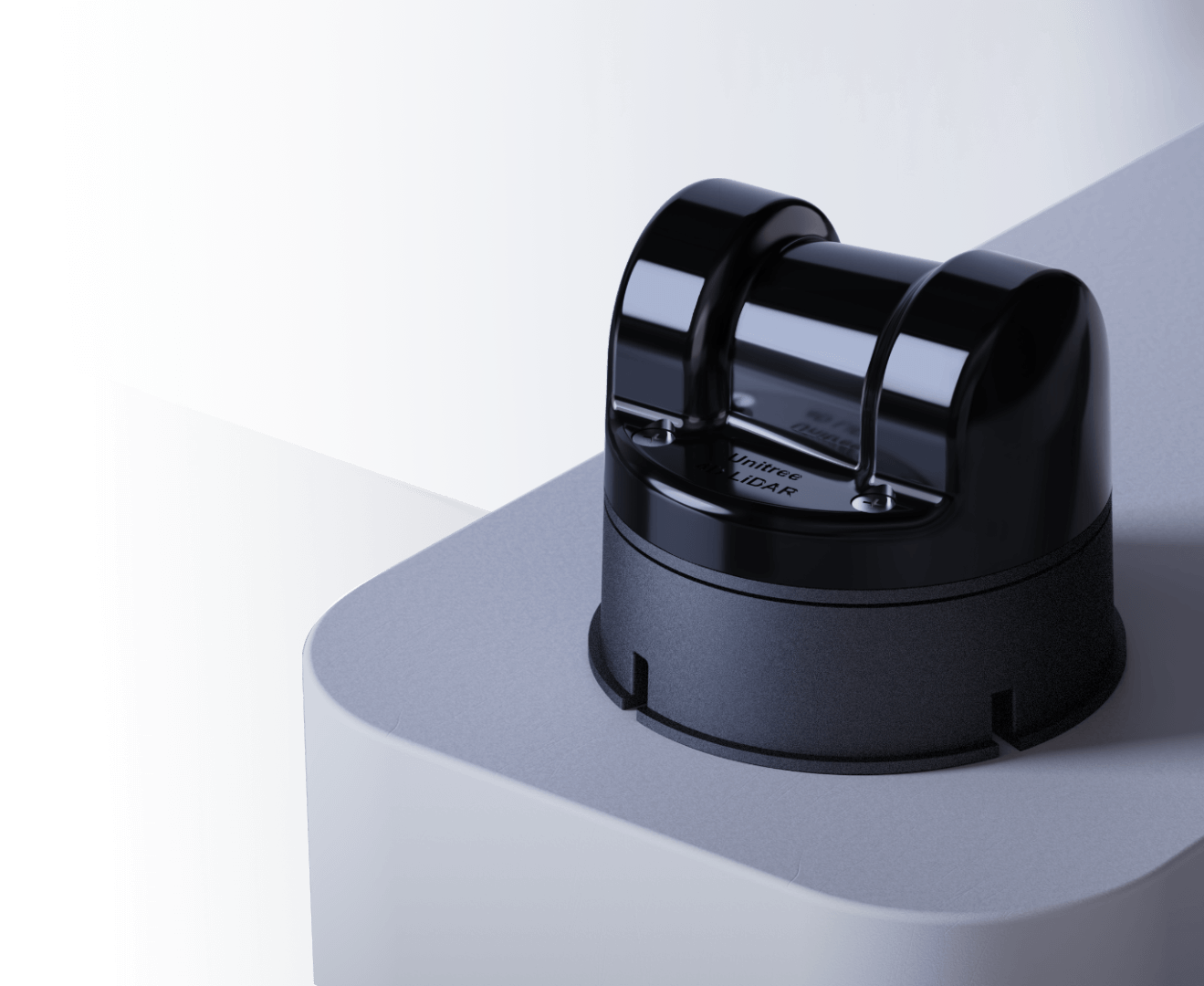
LiDAR technology has become the eyes of modern autonomous systems. The Unitree 4D LiDAR L2 packs an ultra-wide 360°×96° field of view into a 230g package — here's why it matters.
Light Detection and Ranging — LiDAR — has become an indispensable technology in robotics, autonomous vehicles, and environmental mapping. Unitree's 4D LiDAR L2 represents the latest generation of this technology, purpose-built for robotic applications.
What Makes the L2 Special
The Unitree 4D LiDAR L2 stands out for several reasons:
- Ultra-wide FOV — 360° horizontal by 96° vertical coverage, eliminating blind spots that plague conventional sensors
- Lightweight — At only 230g, it adds minimal load to mobile robots
- Built-in IMU — Integrated inertial measurement unit for precise motion compensation
- 4D sensing — Beyond just distance, it captures intensity and temporal data for richer environmental understanding
Applications
LiDAR is the foundation of robust autonomy:
- SLAM — Simultaneous Localization and Mapping allows robots to build and navigate maps in real-time
- Obstacle avoidance — Point cloud data enables precise detection of obstacles, even in low-light conditions
- 3D mapping — Create detailed three-dimensional maps of buildings, terrain, and infrastructure
- Precision agriculture — Map crop heights, terrain contours, and canopy density for optimized farming
Beyond Robots
While designed for Unitree's robot platforms, the L2 is a versatile sensor for any autonomous application. Drone operators, autonomous vehicle developers, and surveying professionals can all benefit from its capabilities.
Availability
The Unitree 4D LiDAR L2 is available as a standalone sensor through MCM Robotics. It comes pre-configured for easy integration with Unitree robots and includes comprehensive documentation for custom implementations. Contact us for pricing and availability in your region.