Unitree Launches the R1 Dual-Arm Humanoid: Embodied AI From $4,290
Unitree has unveiled a new modular dual-arm humanoid robot starting at just $4,290 — bringing serious manipulation, vision, and voice AI to workbenches, labs, and factories across South Africa.
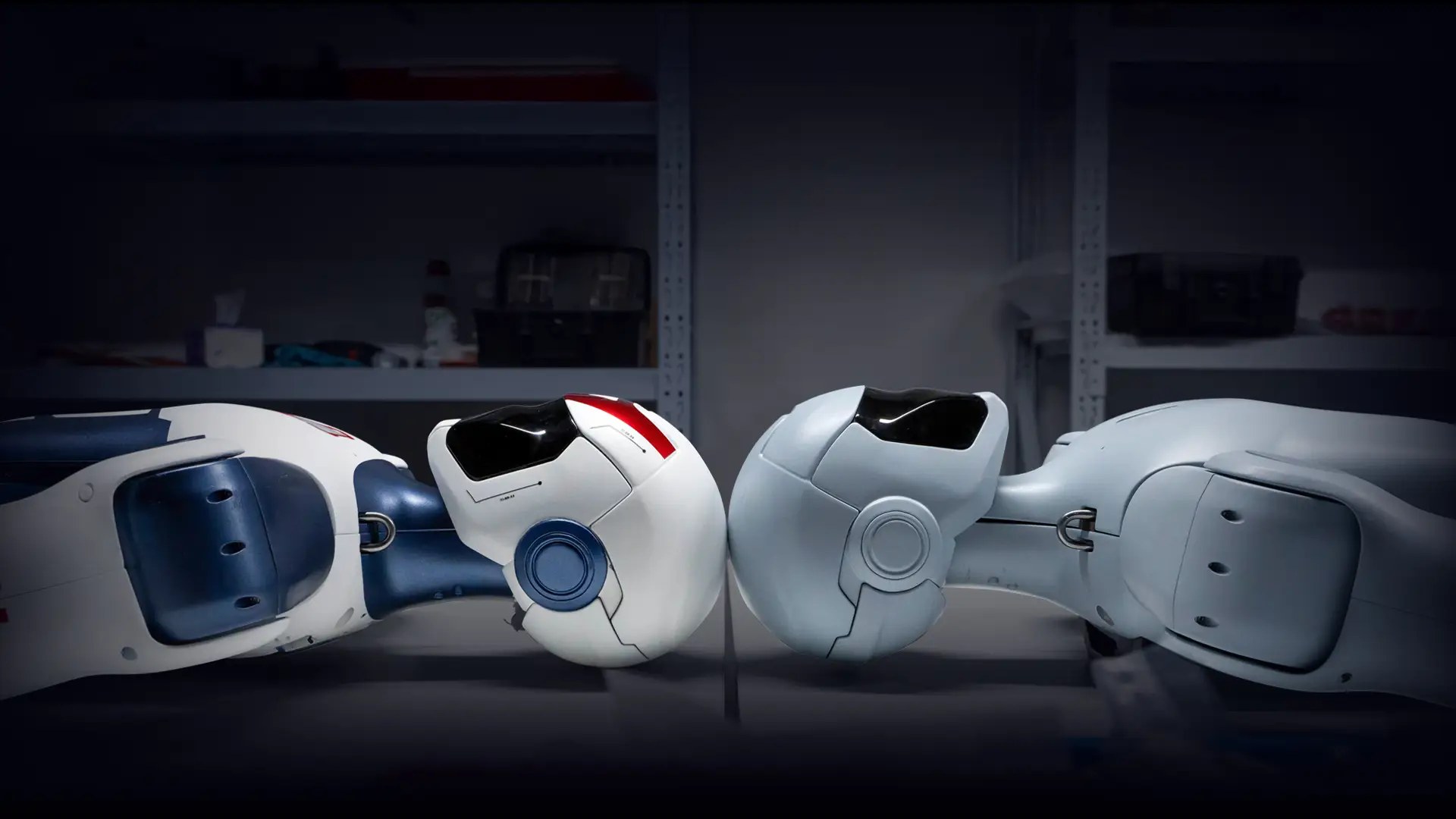
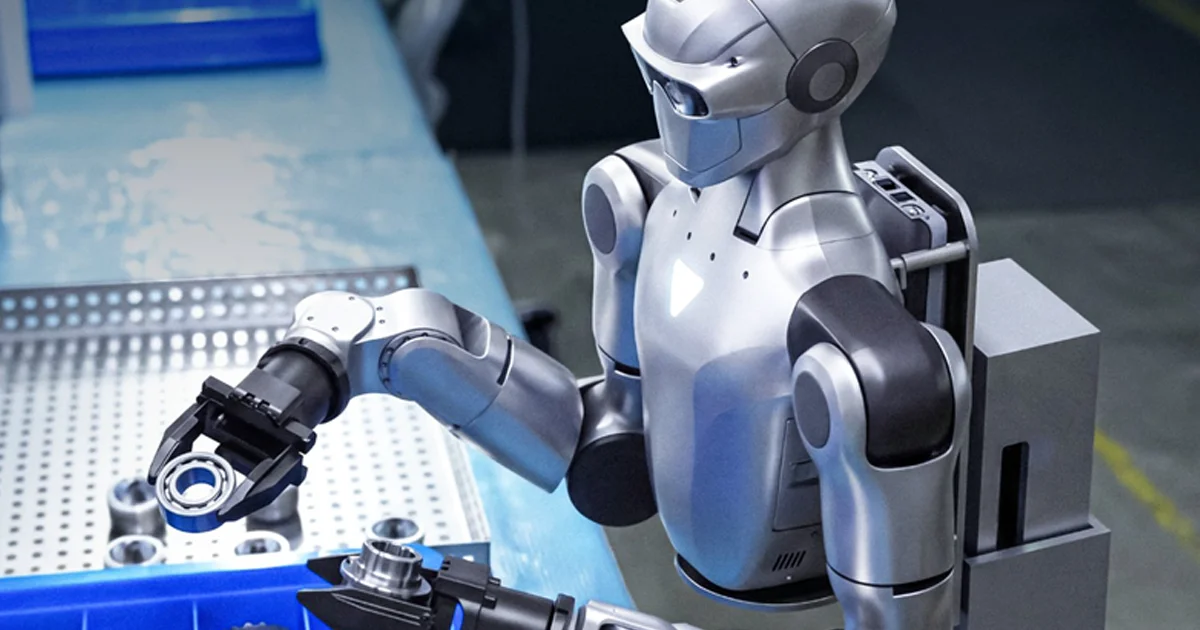
Unitree Robotics has just unveiled one of the most significant entries in the embodied-AI race: a modular dual-arm humanoid robot starting at just $4,290. The new R1 lineup — comprising the R1-A5, R1-A7, R1-A5-D, and R1-A7-D — collapses the price barrier that has historically kept genuine humanoid manipulation out of reach for most South African researchers, integrators, and educators.
For the first time, a development-grade dual-arm platform with binocular vision, voice interaction, and real onboard AI compute is available at a price comparable to a high-end mobile workstation. Here is what that means for South Africa.
Four Configurations, One Modular Platform
Rather than launching a single SKU, Unitree has built the R1 as a configurable platform. Buyers choose along three axes:
- Arm DOF — 5 degrees of freedom (R1-A5) for simpler pick-and-place workflows, or 7 DOF (R1-A7) for full human-arm-style dexterity and complex assembly tasks.
- Base type — A fixed base for desktop research and benchtop integration, or a differential-drive wheeled chassis (the "-D" variants) for mobile manipulation experiments and shop-floor deployment.
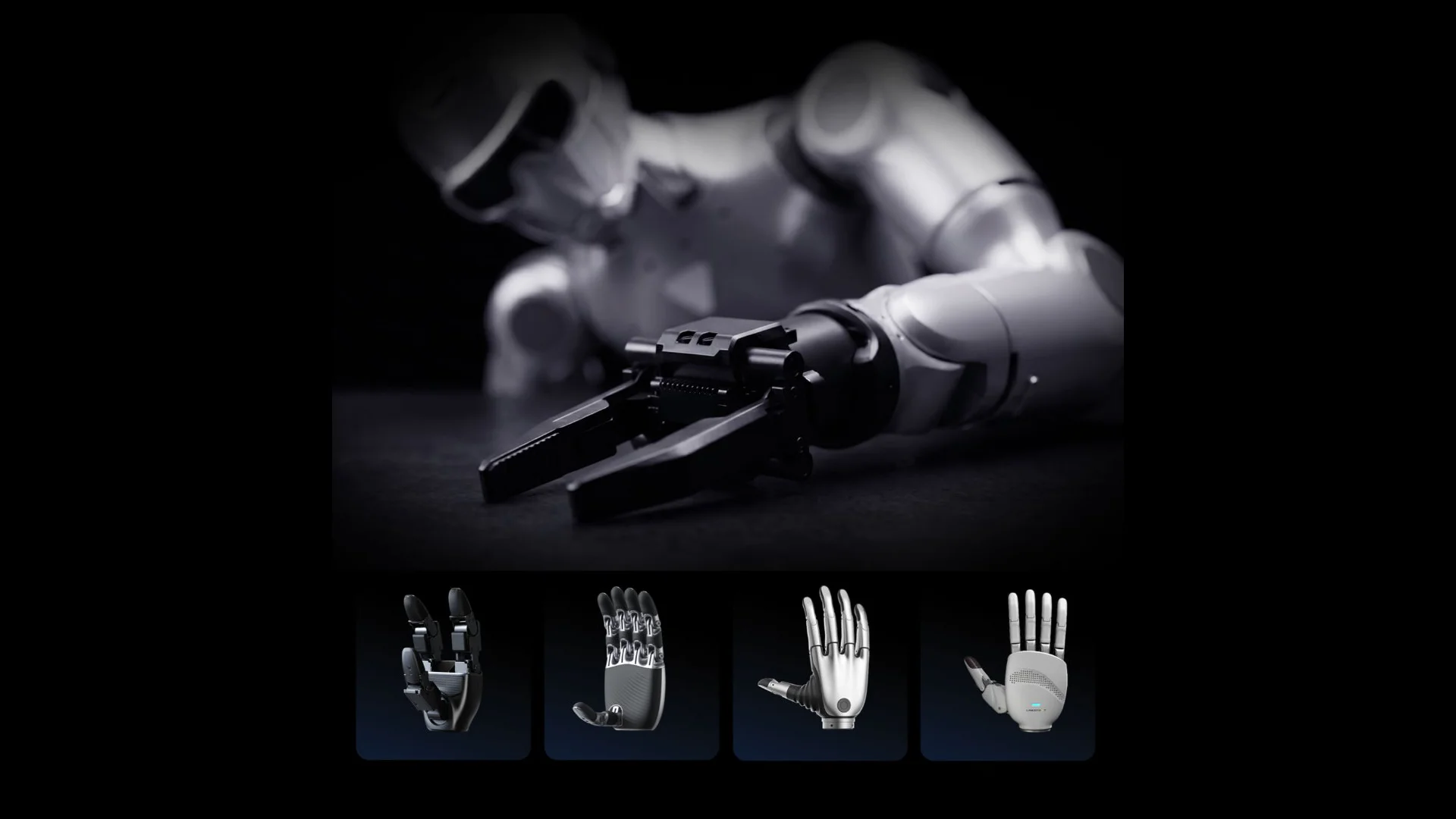
- End effectors — A robust 2-finger gripper, a 3-finger dexterous hand, or a 5-finger dexterous hand depending on the workload.
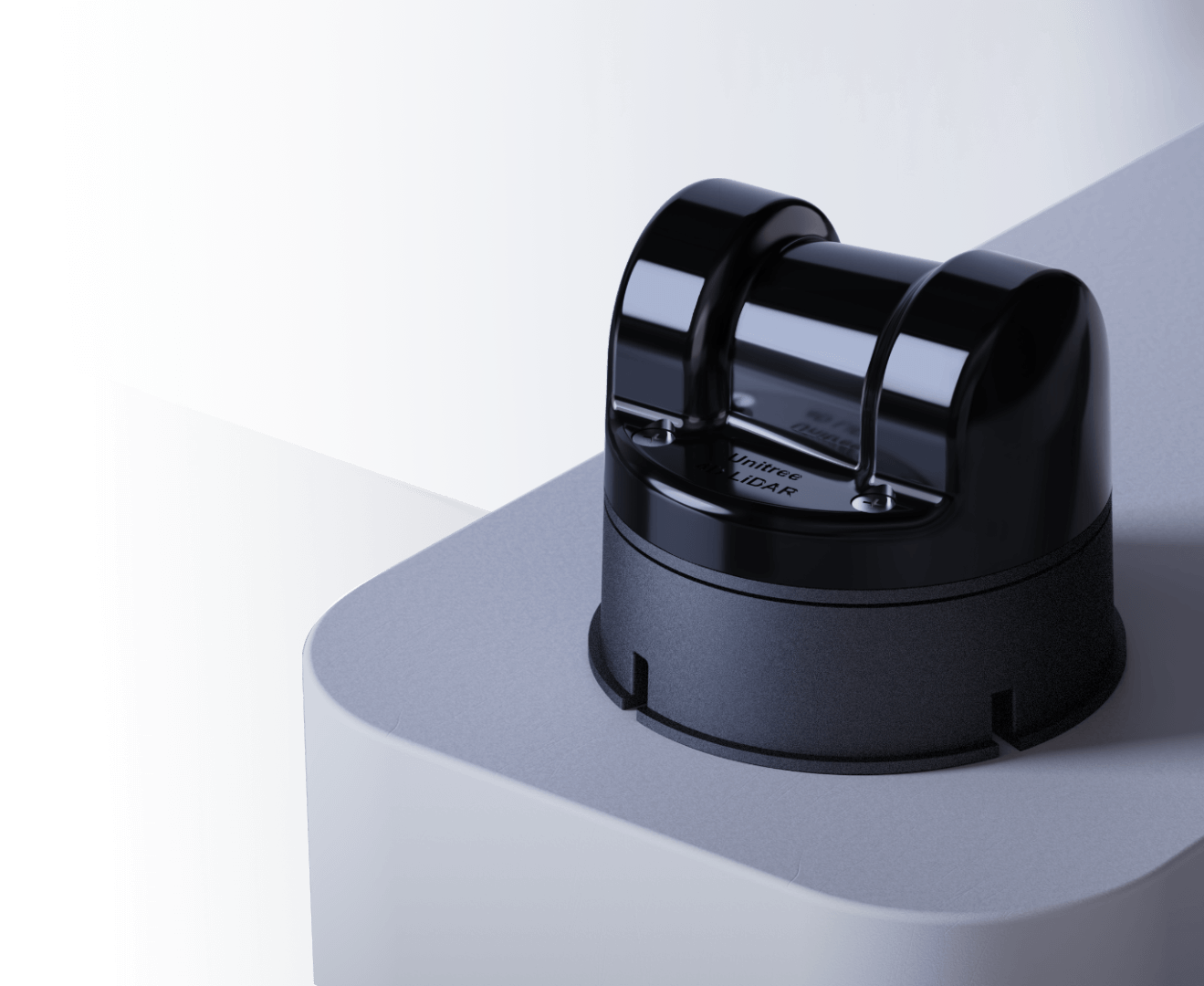
Fixed configurations weigh just 11–13 kg, making them light enough to mount on almost any standard work surface. Wheeled D variants tip the scale at 30–32 kg and ship with chassis-mounted LiDAR for indoor autonomy.
Specifications That Punch Above the Price
The numbers explain why this launch matters:
- 2 kg payload per arm with ±0.1 mm end-clamp accuracy — industrial-grade repeatability through low-inertia high-speed PMSM joint motors and crossed-roller bearings.
- Arm reach of 420 mm (A5) or 555 mm (A7), with hollow internal wiring for clean integration.
- Binocular vision at 1280×720 @ 30 Hz RGB plus 544×488 @ 10 Hz depth, with optional wrist-mounted cameras for close-range tasks.
- Voice interaction via a 4-microphone array and dual 3W speakers — built-in, not bolted on.
- Onboard AI compute from an 8-core CPU plus a 10 TOPS AI accelerator, optionally upgradeable to NVIDIA Jetson Orin (40–100 TOPS) for serious learning, vision, and policy work.
- Connectivity through WiFi 6 and Bluetooth 5.2.
- Battery life of approximately 1.5 hours when battery-powered, plus an external power input for stationary deployment.
Why This Launch Matters for South Africa
Until now, the gap between hobby-tier robotic arms and serious humanoid manipulation platforms was measured in tens of thousands of dollars. The R1 Dual-Arm changes that maths in a single move. For South African universities, technical colleges, and embodied-AI startups, the R1 puts a real research platform on the table for roughly the cost of a single year's lab budget.
For industrial integrators, the wheeled D variants open the door to mobile manipulation experiments — robots that can roll between workstations, pick up tools, and interact with operators by voice — without committing to the price tag of a full bipedal humanoid like the H2.
Built for Real Development Work
This is not a toy. Unitree has wired the R1 for serious secondary development: dual encoders on every arm joint for motion verification, smart OTA updates, local air cooling, and full SDK support. The platform sits in the same ecosystem as the Go2 quadruped, the H1 and H2 humanoids, and Unitree's range of LiDAR sensors — meaning skills, code, and integrations transfer between platforms.
Whether the goal is teleoperation research, imitation learning, manipulation policy training, or simply giving students hands-on access to a current-generation embodied AI platform, the R1 delivers a serious foundation.
Local Support, Local Warranty
Every R1 sold through MCM Robotics ships with a 12-month manufacturer warranty, full local technical support, training programmes, and integration assistance. Nationwide delivery covers all nine provinces, and pricing — once airfreight, duties, and VAT are factored in — is transparent and synchronised with Unitree's official rates.
If you are sizing up your next embodied-AI platform, the R1 Dual-Arm is now available for indicative quotes. View the full R1 Dual-Arm product page or get in touch with our team for a tailored configuration.
Frequently Asked Questions
How much does the Unitree R1 Dual-Arm Robot cost?
The Unitree R1 Dual-Arm Robot starts at $4,290 USD for the R1-A5 fixed-base configuration with 5-DOF arms and 2-finger grippers. Pricing scales with arm DOF (5 vs 7), base type (fixed vs wheeled), end-effector choice, and optional NVIDIA Jetson Orin computing upgrades. Contact MCM Robotics for indicative South African pricing inclusive of airfreight, duties, and VAT.
What are the four R1 Dual-Arm configurations?
The lineup includes the R1-A5 (5-DOF arms, fixed base), R1-A7 (7-DOF arms, fixed base), R1-A5-D (5-DOF arms, wheeled mobile base) and R1-A7-D (7-DOF arms, wheeled mobile base). Fixed models weigh 11–13 kg; wheeled models weigh 30–32 kg and add chassis-mounted LiDAR.
What can the R1 Dual-Arm do out of the box?
Each arm carries up to 2 kg payload with ±0.1 mm end-clamp accuracy. Onboard binocular vision (1280×720 RGB + depth), a 4-microphone array, dual 3W speakers, WiFi 6, and an 8-core CPU plus 10 TOPS AI accelerator give it vision, voice interaction, and real-time inference straight from the box. Continuous OTA updates expand its capabilities over time.
Is the R1 Dual-Arm available in South Africa?
Yes. MCM Robotics is the official Unitree reseller in South Africa and offers nationwide delivery to all nine provinces, local technical support, training, integration assistance, and a 12-month manufacturer warranty on every R1 unit shipped.
Who is the R1 Dual-Arm Robot designed for?
The R1 platform is built for robotics researchers, university labs, embodied-AI developers, industrial integrators experimenting with mobile manipulation, and educators teaching the next generation of robotics engineers. Its modularity makes it equally at home on a desktop benchtop and on a factory floor.