Quadruped Robot Maintenance and Care in South Africa: The Complete Owner's Guide
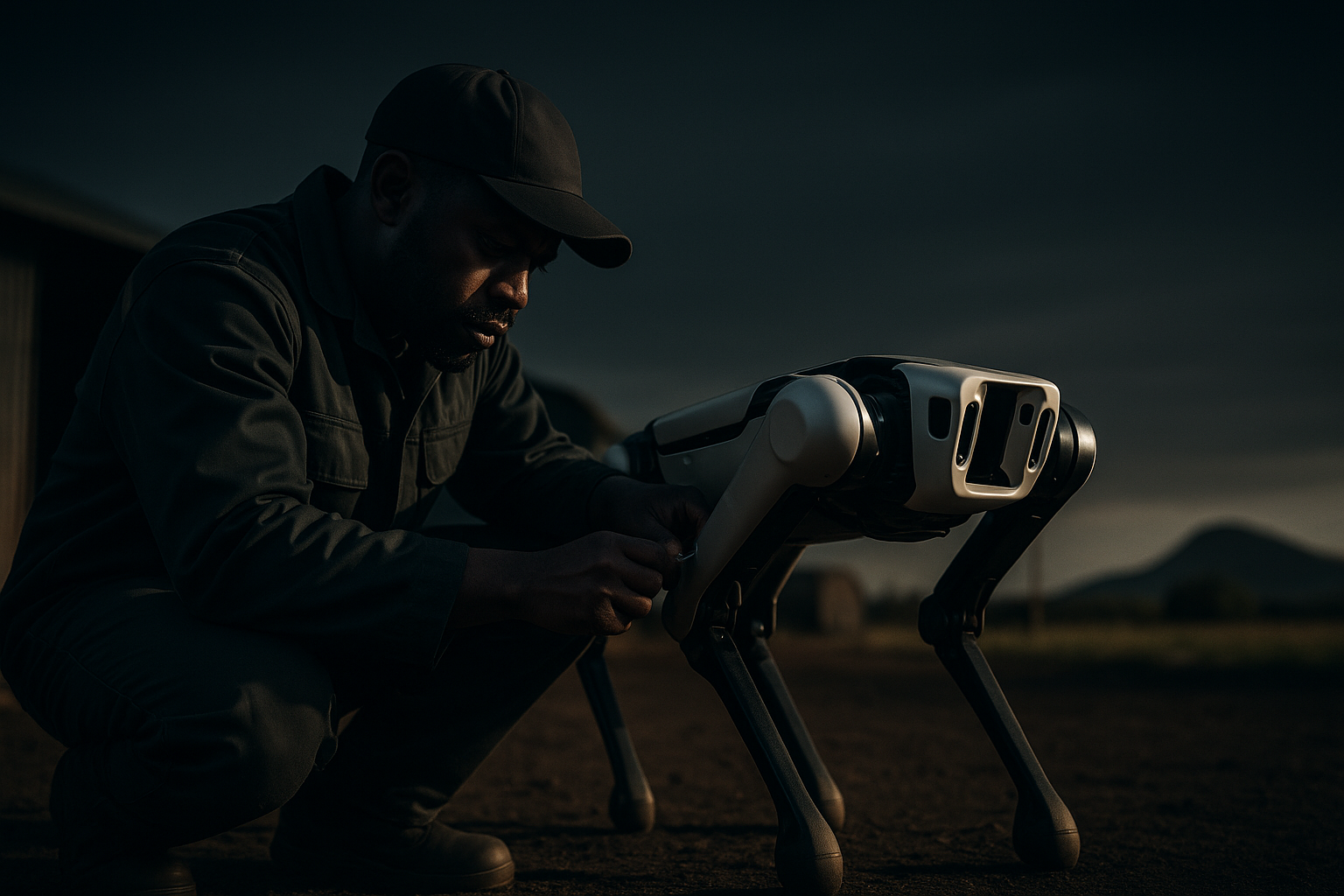
Quadruped robot maintenance in South Africa requires a climate-aware, structured approach — dust, extreme heat, and uneven terrain accelerate wear far faster than lab conditions suggest. Whether you operate a Unitree Go2 or the heavier-duty B2 on a farm, mine, or construction site, a consistent care routine is the single biggest factor in protecting your investment and extending operational lifespan.
This guide walks you through routine maintenance schedules, the tools you actually need, how South Africa's environment specifically affects your robot, and where to find local communities and workshops that can help you solve problems without shipping hardware overseas.

Why Maintenance Matters More in Southern Africa
South Africa's operating environments sit at the harsh end of the global spectrum. The Highveld delivers intense UV radiation and afternoon thunderstorms in the same afternoon. The Karoo is bone-dry and abrasive. Coastal KwaZulu-Natal adds salt-laden humidity to the mix. Each of these conditions attacks a quadruped robot differently, and a maintenance plan that works in a European warehouse will fall short here.
Understanding what an IP67 rating actually means for a robot is the first step — it tells you the dust and water resistance ceiling, not a maintenance-free guarantee. Even IP67-rated joints accumulate fine Highveld dust over weeks of field use, increasing friction and accelerating actuator wear.
The Most Common Failure Points in Agricultural and Mining Use
- Joint actuators — fine silica dust from ploughed fields or mine benches infiltrates seals over time, causing increased current draw and eventual overheating
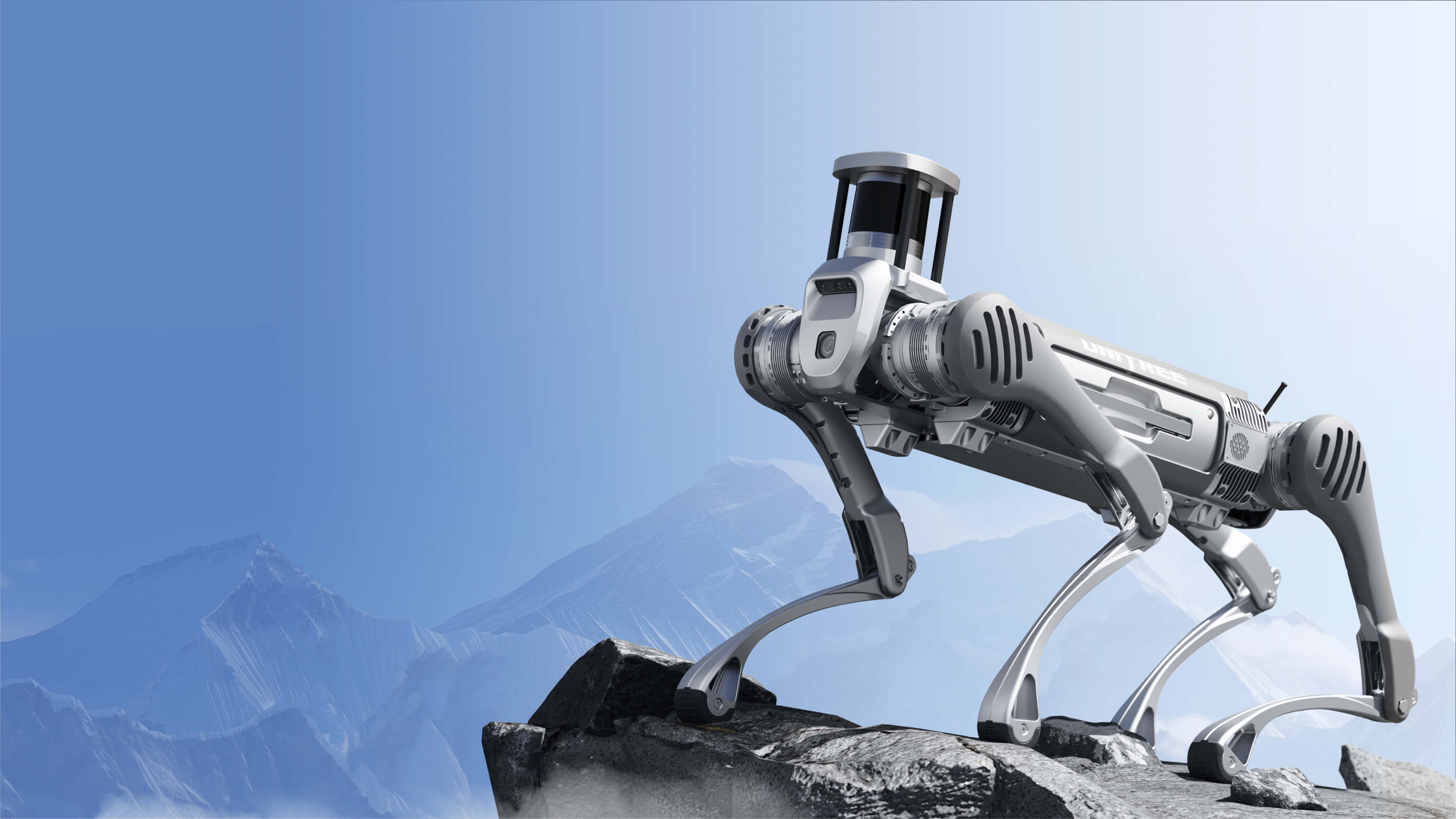
- LiDAR and depth-camera lenses — dust film reduces detection range; UV exposure degrades plastic housings on cheaper sensor mounts
- Battery cells — repeated charging in ambient temperatures above 35 °C shortens lithium cell life noticeably; storage at full charge in a hot bakkie accelerates degradation
- Foot pads and leg linkages — rocky or thorny terrain wears rubber foot pads faster than smooth floors; loose gravel can jam linkage pivot points
- Connectors and cable looms — vibration on corrugated farm roads loosens push-fit connectors; moisture ingress at imperfect seals causes corrosion
Routine Maintenance Schedule: What to Check and When
A structured schedule prevents small issues from becoming expensive repairs. The table below summarises recommended intervals for typical South African field use — adjust downward (more frequent) if operating in particularly dusty or wet conditions.
| Task | Daily / After Each Session | Weekly | Monthly |
|---|---|---|---|
| Visual inspection of legs and foot pads | ✓ | — | — |
| Wipe down body and sensor lenses | ✓ | — | — |
| Check battery charge level and temperature | ✓ | — | — |
| Inspect connectors and cable routing | — | ✓ | — |
| Actuator current-draw diagnostic (via app) | — | ✓ | — |
| Compressed-air blow-out of joints | — | ✓ | — |
| Firmware update check | — | — | ✓ |
| Full gait calibration test on flat surface | — | — | ✓ |
| Battery capacity benchmark (full cycle test) | — | — | ✓ |
| Foot pad thickness measurement and replacement | — | — | ✓ |
How to Perform a Basic Post-Session Check
- Power the robot down and place it on a clean, flat surface.
- Visually inspect all four legs from hip to foot — look for cracks in plastic covers, loose screws, and worn foot pads.
- Wipe sensor lenses (LiDAR window, depth cameras, fisheye lenses) with a microfibre cloth; never use abrasive materials.
- Check the battery temperature by touch or via the companion app — a warm but not hot pack is normal; a hot pack after light use signals a cell issue.
- Log any anomalies in a simple maintenance notebook or spreadsheet; patterns reveal developing faults before they cause failures.
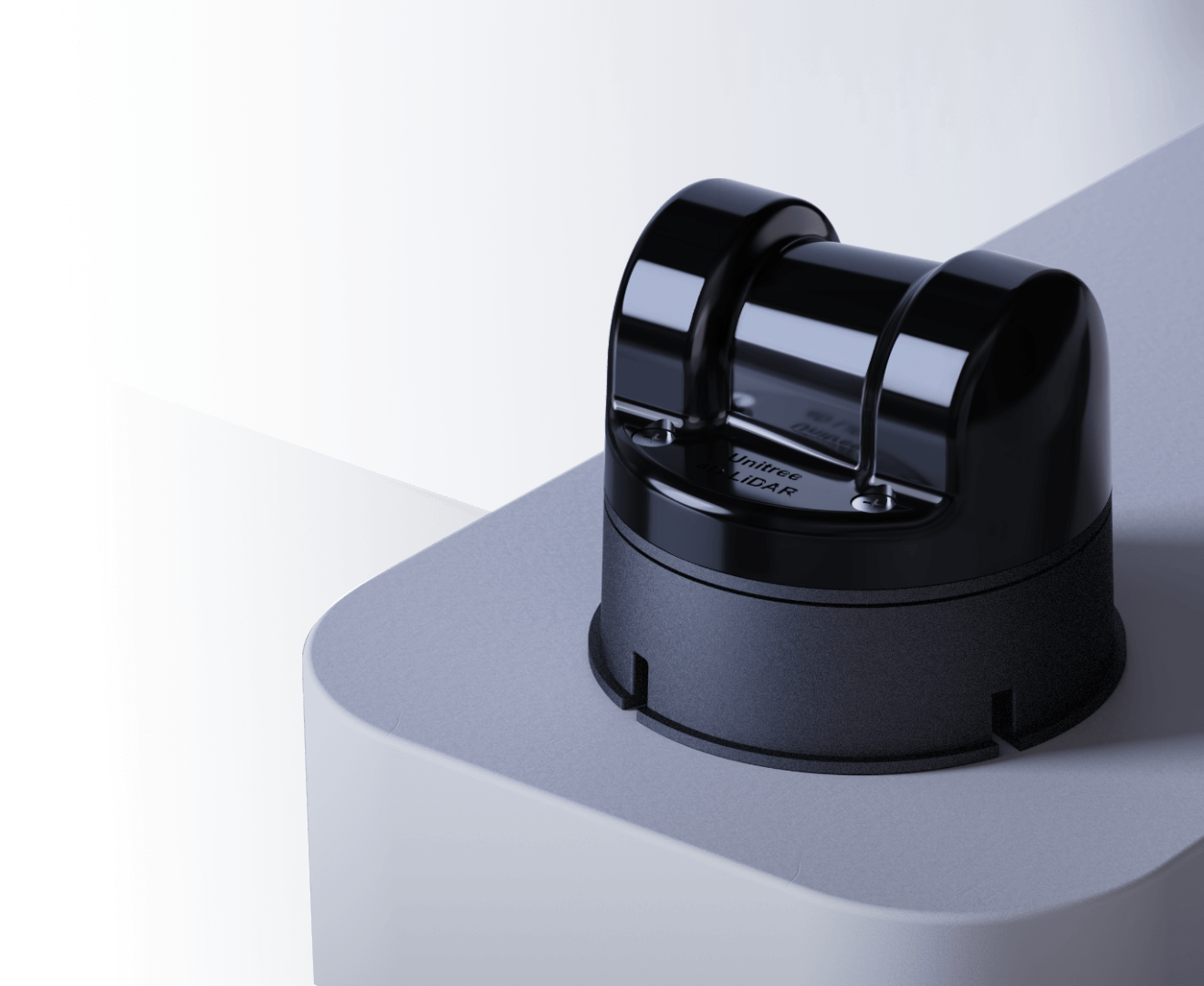
If your robot is equipped with a 4D LiDAR sensor, pay particular attention to the spinning or solid-state aperture — even a thin dust film measurably reduces point-cloud density and can cause false obstacle detections in the field.
DIY Maintenance: Tools and Materials Every Owner Should Have
South Africa's supply chain realities mean that waiting for an overseas spare part can sideline a robot for weeks. Building a local spares and tools kit is not optional — it is a practical necessity.
Essential Tools
- Precision torque screwdriver set — most quadruped fasteners are M2–M4; over-tightening cracks plastic housings
- Compressed-air canister or small compressor — the single most effective tool for removing dust from joints and vents
- Digital multimeter — for checking battery cell voltage balance and connector continuity
- Microfibre cloths and isopropyl alcohol (IPA 99%) — safe for sensor lenses and PCB connectors
- Dielectric grease — applied sparingly to connector pins to prevent corrosion in humid coastal environments
- Spare foot pads — consumables that wear fastest; keep at least one full set on hand
- Laptop with USB-C / Ethernet capability — for firmware updates, diagnostic logs, and ROS-based debugging if applicable
Recommended Consumables to Stock Locally
- Lithium-compatible contact cleaner — for battery terminal maintenance
- UV-resistant cable ties and split loom — South African sun degrades standard nylon ties within months outdoors
- Anti-vibration thread locker (medium strength) — prevents fasteners loosening on corrugated terrain
Community Workshops and DIY Networks in South Africa
One of the most encouraging developments in the local robotics scene is the growth of maker communities and informal support networks. Organisations such as Maker Spaces Joburg and university robotics clubs at Wits, UCT, and Stellenbosch run regular meetups where quadruped owners can share diagnostics knowledge, borrow specialist tools, and source locally fabricated replacement parts via 3D printing or CNC cutting.
Online, the South African chapter of the ROS (Robot Operating System) community is active on Discord and GitHub, with several members already working on custom navigation stacks for Unitree hardware adapted to local terrain types — from fynbos to mine tailings dams. If you have set up your robot using the standard process outlined in our guide on how to set up your Unitree Go2 in 30 minutes, you already have the foundation needed to engage with these communities productively.
For owners in more remote areas — the Northern Cape, Limpopo, or the Eastern Cape interior — WhatsApp groups organised by region have become a practical first line of support, with members sharing photos of wear patterns and crowdsourcing solutions before escalating to the distributor.
How South Africa's Environment Affects Lifespan
With diligent maintenance, a well-built quadruped robot such as the Unitree B2 or Go2 can realistically operate for five to eight years before major structural or electronic overhaul is required. Without maintenance in South African field conditions, that figure drops to two to three years — or less in mining environments. The 2026 status report on robotics in South African mining highlights how abrasive silica dust and vibration from blasting are the dominant accelerators of mechanical wear in that sector specifically.
Battery packs are typically the first major replacement item — expect lithium packs to reach 70–80% capacity after 300–500 full cycles under South African heat conditions. Storing batteries at 40–60% charge in a cool, dry environment between uses is the single most effective way to extend pack life.
Environmental Factors at a Glance
- UV radiation — degrades plastic covers, cable insulation, and sensor housings; apply UV-protective coating to exposed polymer surfaces
- Fine dust (Highveld, Karoo) — infiltrates joints and vents; weekly compressed-air cleaning is non-negotiable
- Salt air (coastal regions) — accelerates connector corrosion; dielectric grease and more frequent connector inspections are essential
- Temperature extremes — both very hot days and cold Highveld nights stress battery chemistry; follow manufacturer storage guidelines strictly
- Rough terrain vibration — loosens fasteners and stresses cable looms; thread locker and weekly connector checks mitigate this
When to Escalate Beyond DIY
DIY maintenance covers the vast majority of routine care, but some issues require professional intervention. Actuator motor replacements, main control board faults, and structural frame repairs should be handled by an authorised distributor or technician. If you are evaluating which platform to invest in before committing to a maintenance programme, our complete guide to buying a quadruped robot in South Africa covers total cost of ownership including maintenance considerations in detail.
For complex sensor faults — particularly on robots running advanced embodied AI perception stacks — diagnostic logs should be submitted to the manufacturer or local distributor before any hardware intervention, as many apparent hardware faults are resolved by firmware patches.
Ready to build a proper maintenance plan for your quadruped robot, or looking for local support and spare parts in South Africa? Contact the MCM Robotics team — we offer maintenance consultations, spare parts sourcing, and can connect you with the nearest qualified technician or community workshop in your region.
Want this robot working for you?
Configure online or talk to the team that imports and supports every unit.