MCM Robotics · TX series robot brains

A brain that lets your robot find its own way

The TX series is a two-part controller for legged, wheeled and humanoid robots. A high-compute brain sees, maps and plans. A rugged cerebellum keeps every motor in step. Add our navigation stack and control platform, and the robot patrols, delivers or guides on its own. MCM Robotics supplies, fits and supports it in South Africa.

AI computeUp to 157 TOPS
Motor buses4× CAN FD + 4× RS485
Power input9–60 V DC
Operating range−25 to 70 °C
FitsUnitree Go2 · A2 · B2
How the TX series is built

Brain and cerebellum, on separate boards

In people, the brain decides and the cerebellum co-ordinates movement. The TX series splits the work the same way, so heavy AI work never has to compete with balance and motor control.

TX-1/2

The brain thinks

Cameras, LiDAR, AI models, mapping, route planning, speech and the 5G link to the control platform.

TX-3

The cerebellum moves

Reads an industrial attitude sensor and drives the motors over isolated CAN FD and RS485, so motor faults and back-EMF stay away from the electronics.

ANY

One brain, many bodies

The same set fits quadrupeds, wheeled-legged robots, humanoids and unmanned ground vehicles. Motors with different interfaces can share a robot.

TX architecture: sensors feed the brain, the brain sends goals to the cerebellum, the cerebellum drives the motors, and the brain links to the control platform over 5G. Control platform missions · maps · video · alerts 5G SENSORS LiDAR MIPI cameras Infrared / thermal GNSS 10-axis IMU Mic array Depth (USB) BRAIN · TX-1 / TX-2 See · map · plan Perception + SLAM Route planning Vision-language model Speech in / out 34–157 TOPS AI goals state CEREBELLUM · TX-3 Balance · move Attitude sensor Gait / wheel control Isolated CAN FD Isolated RS485 0.15° roll / pitch BODY Joints Wheels Arm Lights TX-2 can also run as a single integrated brain + cerebellum on smaller robots
Fig. 1 — TX series control architecture
The TX range

Three boards. Pick the brain, add the cerebellum.

Two brains at different compute levels, and one cerebellum that pairs with either. All three take a wide DC input straight from the robot's battery and work from −25 to 70 °C.

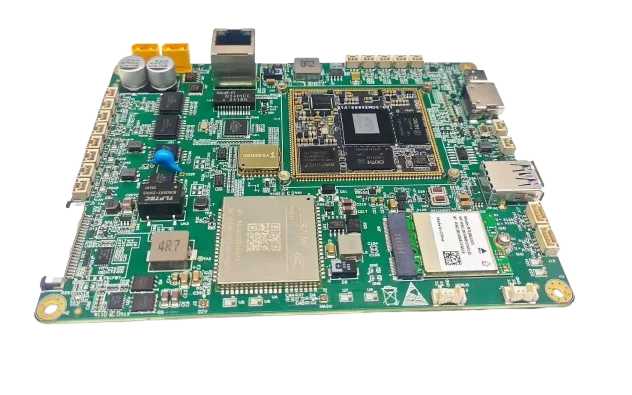
TX-1 robot brain board with cooling fan and heatsink

TX-1

Brain · NVIDIA Orin

The flagship brain. Choose 34, 67, 117 or 157 TOPS of AI compute, with up to eight Cortex-A78AE cores and four Cortex-R52+ real-time cores. Headroom for LiDAR mapping, multi-camera vision and on-board AI models side by side.

AI
34 / 67 / 117 / 157 TOPS
CPU
6 or 8× Cortex-A78AE · 120 KDMIPS
Real-time
4× Cortex-R52+
I/O
4× CAN FD · 2× UART · 3× USB-C
Network
2× GbE + 2× 100M · 5G
Sensing
10-axis IMU + GNSS
Power
16–60 V · <40 W
Size
185 × 110 mm

Best forPatrol and inspection robots carrying LiDAR plus several cameras, or any job that needs the most AI on board.
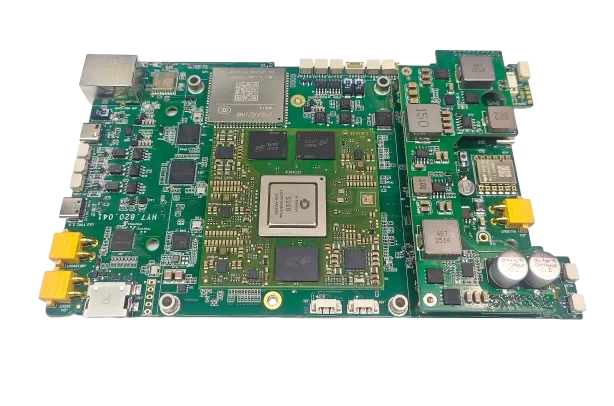
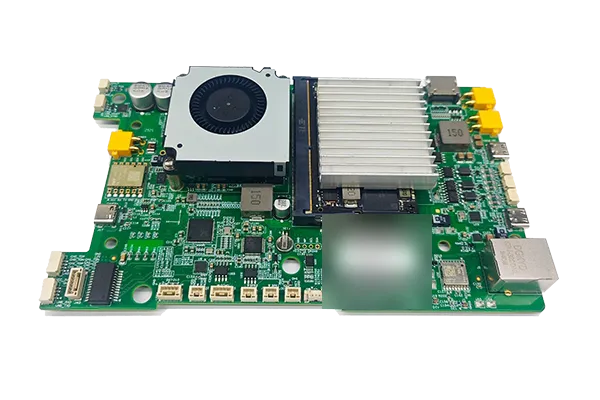
TX-2 robot brain board

TX-2

Brain · D-Robotics S100

A brain with 80 or 128 TOPS, built as an integrated brain-and-cerebellum controller, so smaller robots can run on one board. Wi-Fi and Bluetooth are built in alongside 5G, and two USB 3.0 ports take extra depth cameras or storage.

AI
80 / 128 TOPS
CPU
6× Cortex-A78AE · 100 KDMIPS
Real-time
4× Cortex-R52+
I/O
4× CAN FD · 2× UART · 3× USB-C
Network
2× GbE + 1× 100M · 5G · Wi-Fi · BT
Sensing
10-axis IMU + GNSS
Power
16–60 V · <40 W
Size
185 × 110 mm

Best forDelivery, guide and service robots that want strong AI, local wireless and the option of a single board.

TX-3 robot cerebellum board

TX-3

Cerebellum · Rockchip

The cerebellum looks after balance and movement. An industrial attitude sensor feeds the control loop, and isolated motor buses let you mix motor brands without risking the board. It runs from as little as 9 V.

CPU
4× Cortex-A76 + 4× A55 · 90 KDMIPS
AI
6 TOPS
Motors
4× isolated CAN FD + 4× isolated RS485
Attitude
Roll/pitch 0.15° · heading 0.3°
Network
1× GbE · 5G · Wi-Fi · BT
USB
2× USB 3.0 + 2× USB 2.0
Power
9–60 V · <40 W
Size
145 × 110 mm

Best forPairing with TX-1 or TX-2 on quadrupeds, wheeled-legged robots and UGVs, or as a rugged motion controller on its own.

Control platform

One screen for the whole fleet

Every TX robot reports to a cloud control platform over 5G. Your control room sees what the robots see, and gets told when something needs a person.

  • Unmanned patrols, 24/7. Missions run on a schedule around the clock, with live HD video and sensor data streamed back.
  • AI hazard spotting. Trained detectors flag problems such as blocked fire exits, illegal parking and unsafe charging cables, and attach the evidence.
  • Alerts that close the loop. Every alert is tracked from detection to response to done.
  • Remote takeover. An operator can drive any robot from the platform, then hand it back to autonomy.
  • Map management. View and update point-cloud maps remotely, with no site visit.
  • Remote power and audio. Switch robots off or wake them over 5G, and speak through the robot's loudspeaker.
The mission loop: map, schedule, patrol, detect, alert, respond, recharge, managed from the control platform. Control platform 5G · video · alerts 1 Map 2 Schedule 3 Patrol 4 Detect 5 Alert 6 Respond 7 Recharge
Fig. 2 — The mission loop, run from one platform
Where it works

Built for real jobs

The same brain and navigation stack runs very different robots. These are the jobs TX-equipped robots already do in service.

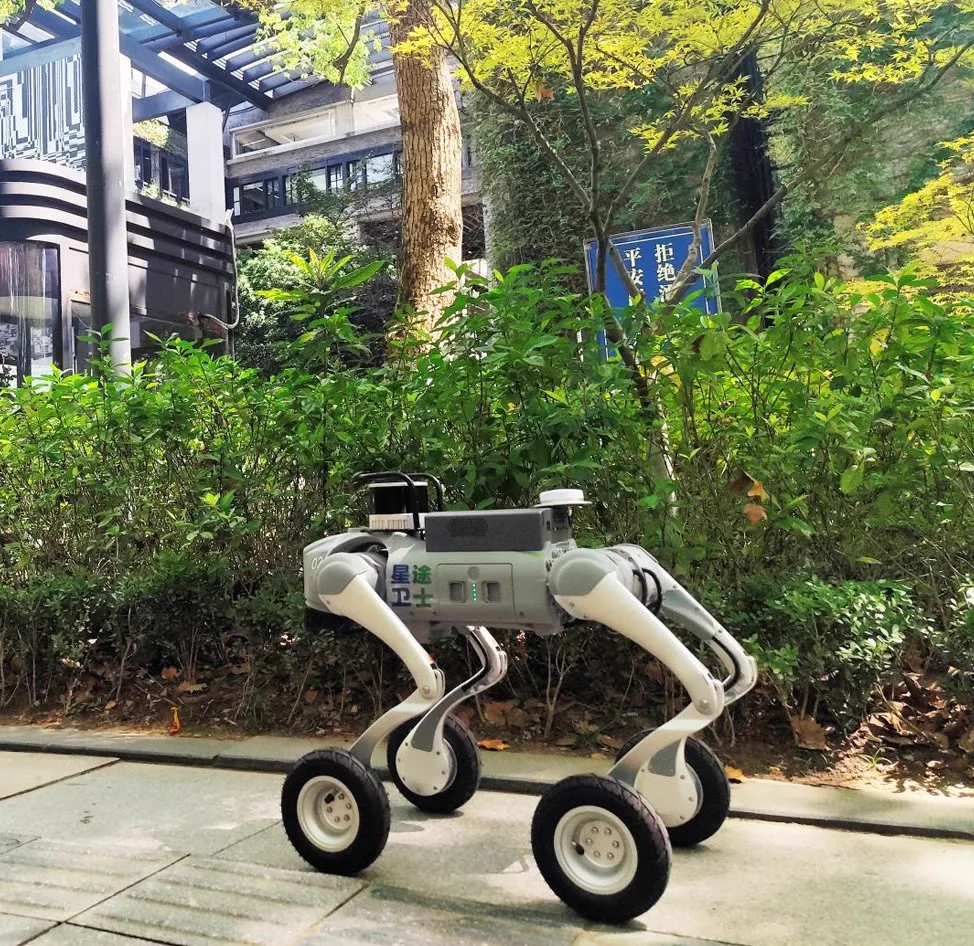
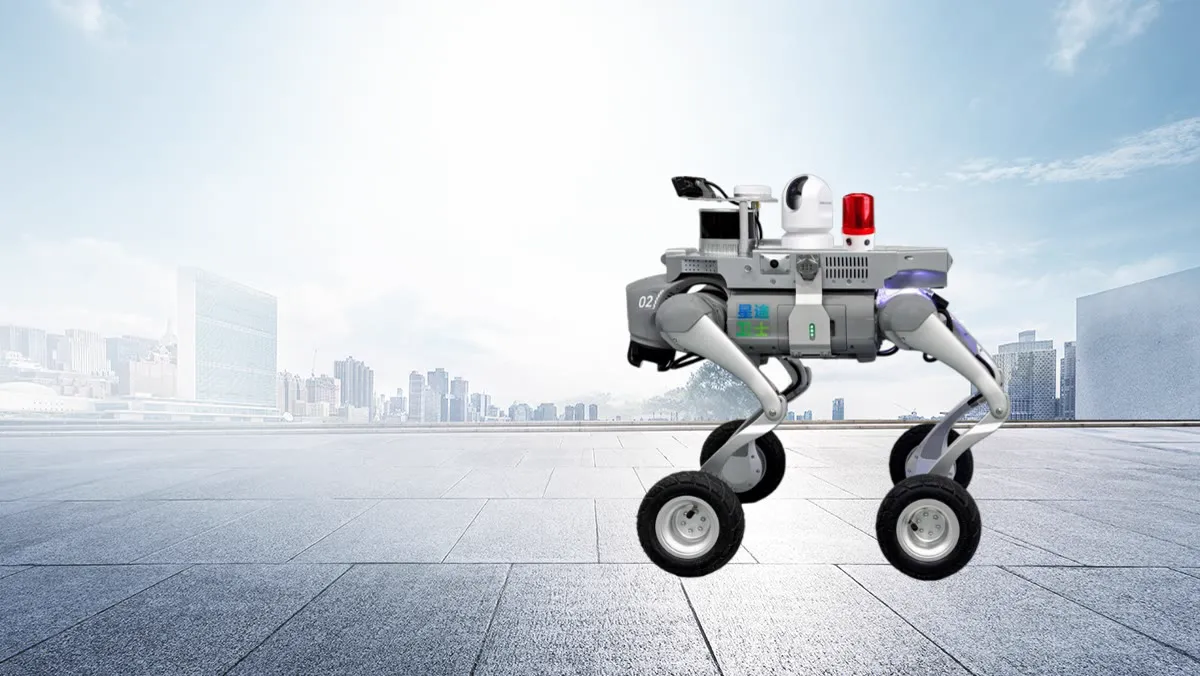
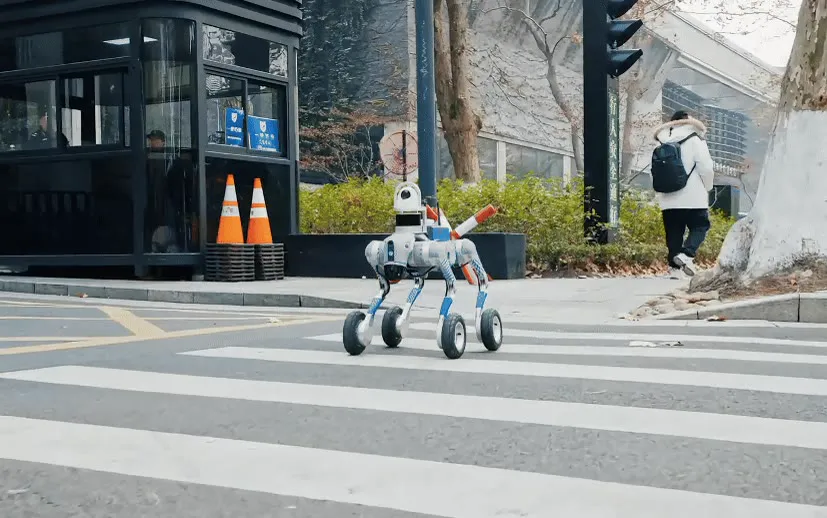
Wheeled-legged security patrol robot with beacon and cameras
Estates · industrial parks · factories · power plants · campuses

Security patrols

Round-the-clock patrols that replace repetitive and high-risk rounds. The robot watches for blocked fire exits, illegal occupation and crowds, speaks through its loudspeaker, and raises alerts in the control room.

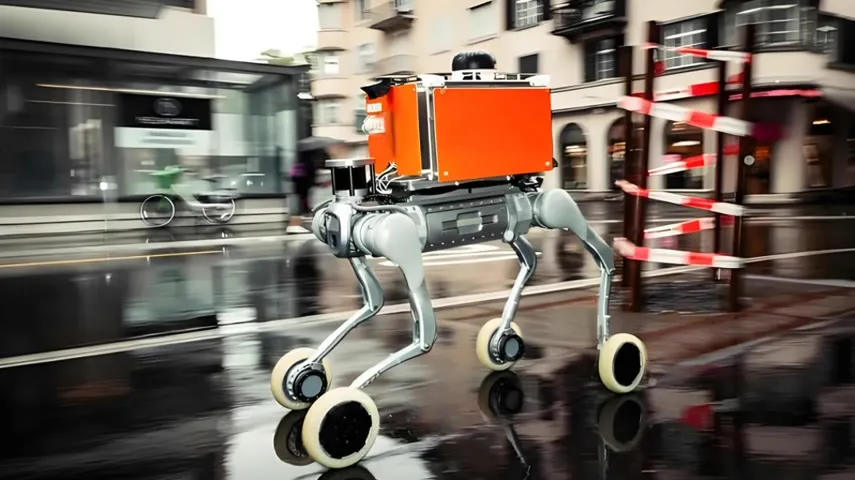
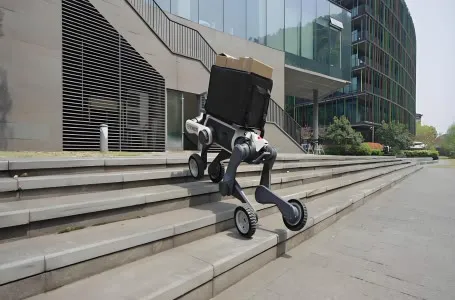
Wheeled-legged delivery robot carrying a closed cargo box on a wet street
Malls · office parks · residential estates · warehouses

Last-metre delivery

A wheeled-legged robot with a sealed, lockable compartment delivers door to door. Lifts and access control are integrated, electronic fences and collision warnings keep it safe, and it returns to a charging pod on its own.

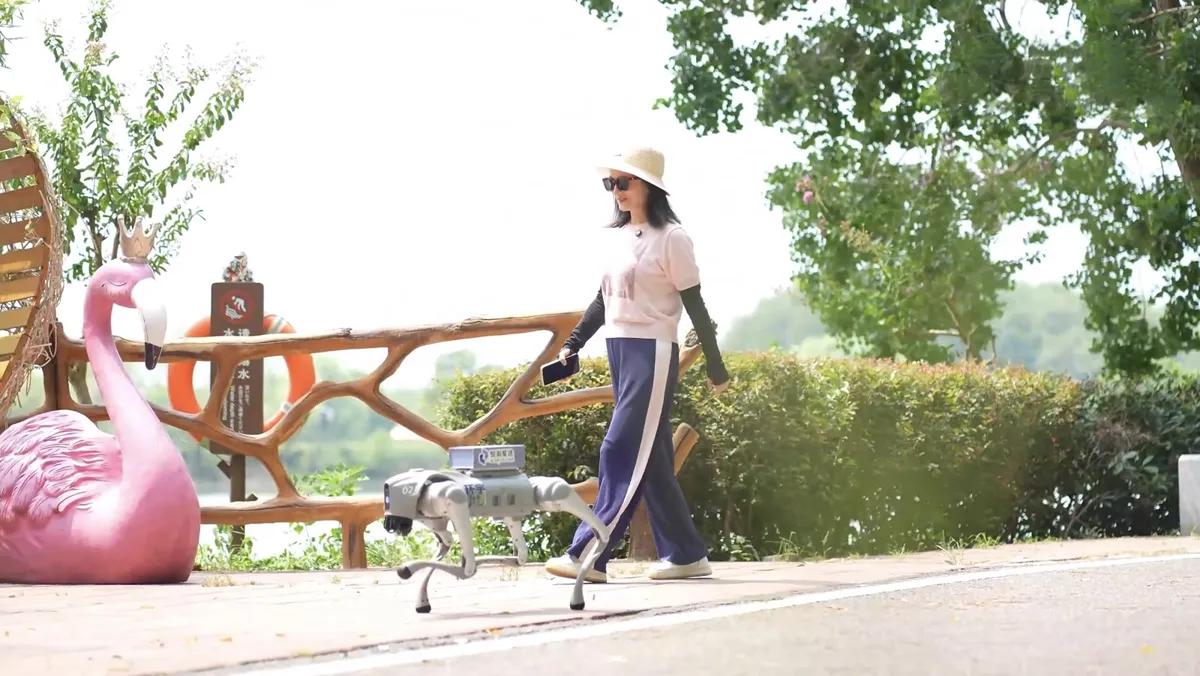
Quadruped guide robot walking beside a visitor in a park
Museums · visitor centres · tourism sites · service halls

Guided tours

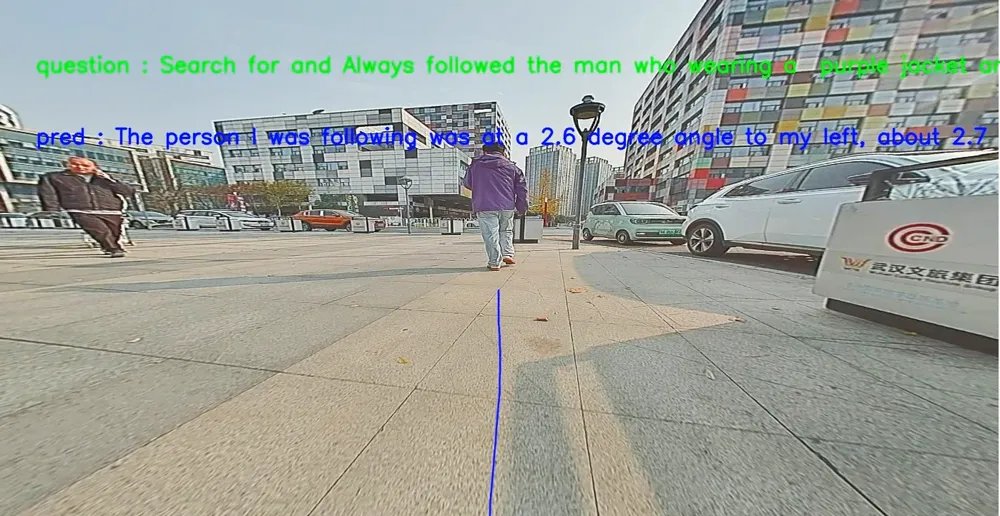
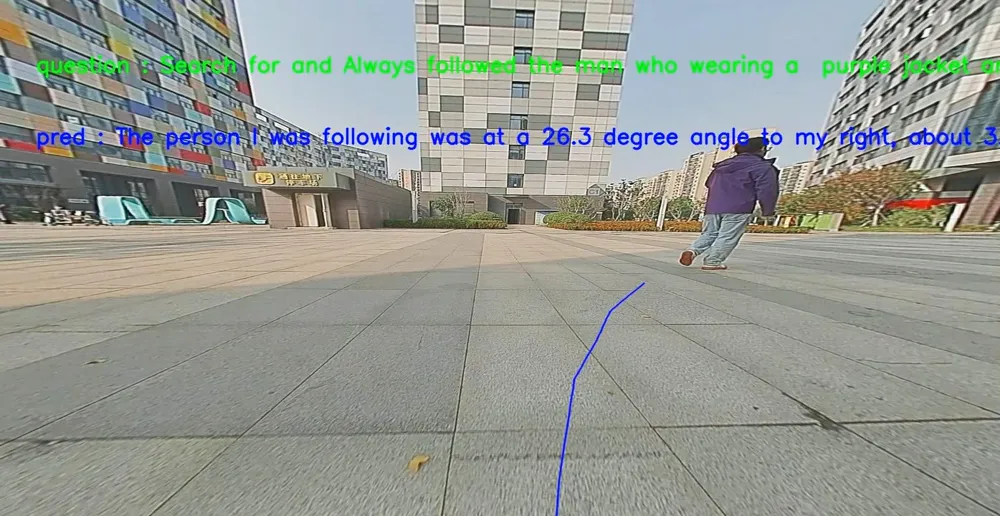
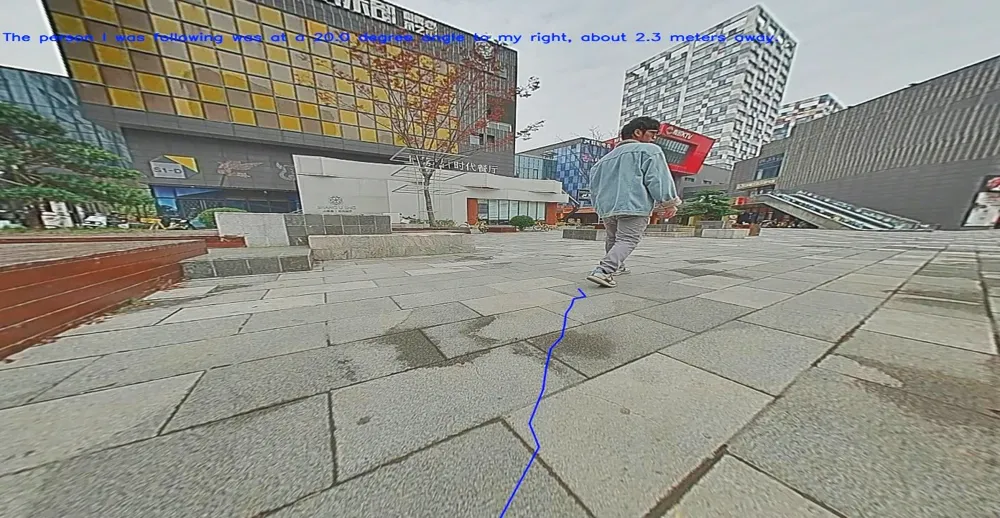
Guide robots navigate a planned route and give commentary in several languages. They answer questions through a knowledge base, and can follow a visitor on request.

Vehicle plants · yards · logistics hubs

Yard and vehicle moves

Autonomous driving for fixed routes: path tracking, stopping for obstacles and pedestrians, automatic parking and garage entry. QR markers keep positioning exact along long runs.

Universities · TVET colleges · research labs

Education and research

An open development platform for robotics courses and R&D, with a simulation pipeline built on NVIDIA Isaac Sim. Train behaviours in simulation before real-world testing, to save time and cost.

Specifications

Side by side

SpecificationTX-1TX-2TX-3
Role & platform
RoleBrainBrain (integrated brain + cerebellum)Cerebellum
PlatformNVIDIA OrinD-Robotics S100Rockchip
Compute
CPU6 or 8× Arm Cortex-A78AE6× Arm Cortex-A78AE4× Cortex-A76 + 4× Cortex-A55
Real-time cores4× Arm Cortex-R52+4× Arm Cortex-R52+—
CPU performanceUp to 120 KDMIPSUp to 100 KDMIPS90 KDMIPS
AI compute34 / 67 / 117 / 157 TOPS80 / 128 TOPS6 TOPS
Interfaces
CameraMIPI, signal-enhanced, dual inputMIPI, signal-enhanced, dual inputMIPI, signal-enhanced
CAN4× CAN FD4× CAN FD4× isolated CAN FD
RS485——4× isolated RS485
USB1× USB 3.0 Type-C, 2× USB 2.0 Type-C2× USB 3.0 Type-C, 1× USB 2.0 Type-C1× USB 3.0 Type-C, 1× USB 3.0 Type-A, 2× USB 2.0 (GH1.25)
Ethernet2× 1000BASE-TX, 2× 100BASE-TX2× 1000BASE-TX, 1× 100BASE-TX1× 1000BASE-TX
UART2 channels2 channels1 channel
AudioNoise-cancelling mic (USB + UART), 2× 4 Ω 3 W speakerNoise-cancelling mic (USB + UART), 2× 4 Ω 3 W speaker—
Sensing & communication
Motion sensors3-axis accel, 3-axis gyro, magnetometer, barometer3-axis accel, 3-axis gyro, magnetometer, barometerIndustrial attitude sensor: roll/pitch 0.15°, heading 0.3°
PositioningGNSSGNSS—
Wireless5G5G, Wi-Fi, Bluetooth5G, Wi-Fi, Bluetooth
Time syncPPSPPS—
Remote power5G and CAN sleep / wake5G and CAN sleep / wake5G and CAN sleep / wake
Power & environment
Supply voltage16–60 V DC16–60 V DC9–60 V DC
Power draw<40 W (157 TOPS version)<40 W (128 TOPS version)<40 W
Standby current<3 mA<3 mA<3 mA
Operating temp.−25 to 70 °C−25 to 70 °C−25 to 70 °C
Storage temp.−25 to 80 °C−25 to 80 °C−25 to 80 °C
Board size185 × 110 mm185 × 110 mm145 × 110 mm
  1. Specifications as of October 2026; they may change without notice.
  2. "Signal-enhanced" MIPI allows longer camera cable runs than standard MIPI, so cameras can sit at the robot's extremities.
What you can connect

Sensors and payloads

3D LiDAR (GbE)MIPI camerasInfrared / thermal camerasUSB depth camerasGNSS antenna5G antennasNoise-cancelling mic array2× 3 W speakersCAN FD motor drivesRS485 actuatorsRobotic armBeacons and lightsUART peripheralsPPS time sync
Talk to MCM Robotics

Tell us what your robot needs to do

Send us the robot, the site and the job, whether that's patrol, delivery, guiding or research. We'll come back with the right TX set-up, the sensors to go with it, and a quote.